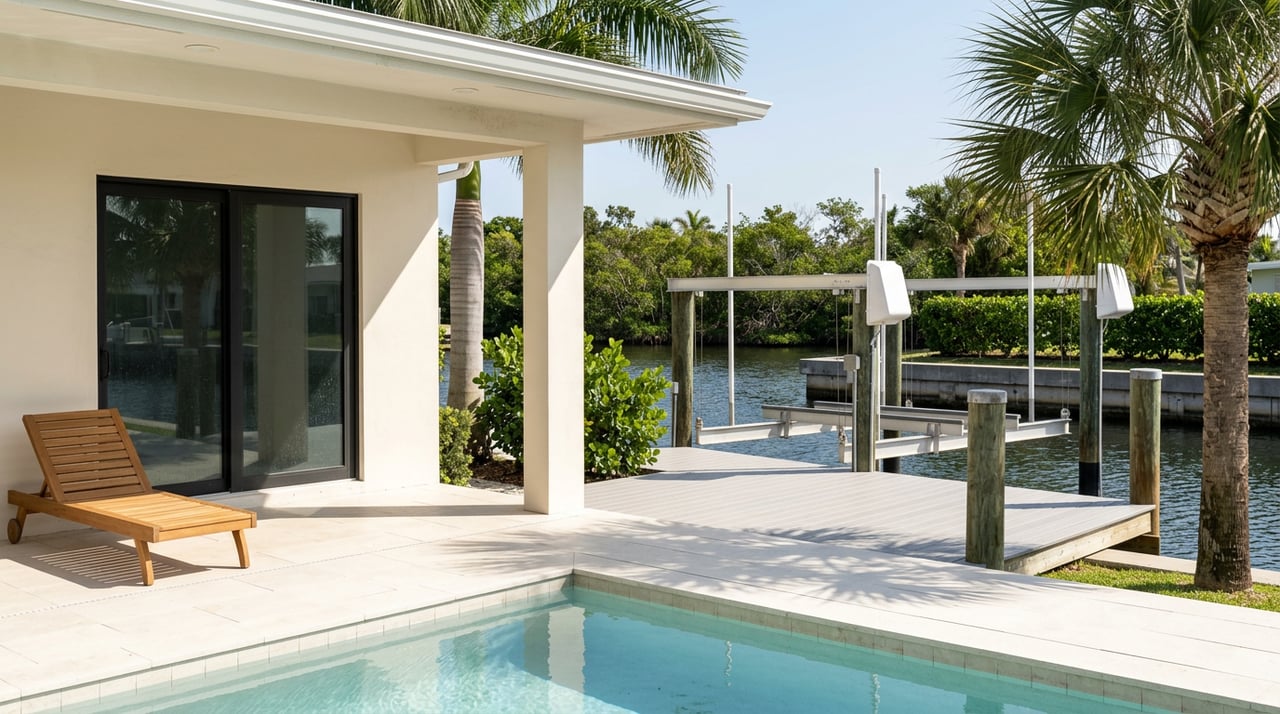
Choosing A Boating-Focused Neighborhood In Bonita Springs
March 24, 2026
March 24, 2026
If boating is part of your daily rhythm, the neighborhood you choose in Bonita Springs will shape every trip on the water. Between shallow bay flats, bridge clearances, and limited slip inventories, the right fit depends on your boat, your route, and how fast you want to reach the Gulf. In this guide, you’ll learn how Gulf access works here, which neighborhoods match different boating styles, and what to verify before you write an offer. Let’s dive in.
Bonita Springs sits on Estero Bay with access to the Gulf of Mexico through Matanzas Pass, Big Carlos Pass, and Big Hickory Pass. The Imperial River and Spring Creek feed the bay and serve as local boating corridors. You can preview the regional layout in the Florida DEP’s Estero Bay plan for helpful context on passes and habitats. Review the Estero Bay management plan before you scout homes.
Estero Bay is mostly shallow with extensive seagrass and oyster bars, so deeper-draft boats need to follow the marked channels. Outside those channels, bottoms shoal quickly and tides matter. The NOAA/GRS chart for Estero Bay is a practical reference for depth patterns and sensitive areas. Study the Estero Bay GRS chart as you plan routes.
Air-draft and bridge clearances are also part of the picture, especially for sailboats. The Matanzas Pass span is commonly reported around 65 feet of clearance, but always confirm on official charts and with the bridge owner before you commit to a mast-up vessel. Regional marina pages, such as Salty Sam’s Marina, are useful starting points for current local guidance.
If you want a gated community with on-site marine support, Bonita Bay is a standout. The resident marina offers wet slips, dry storage, fueling, and a waterfront restaurant, with easy runs down the Imperial River into Estero Bay. Review current services and slip programs on the Bonita Bay Marina site and confirm slip length and beam directly. Many docks and slips are administered by agreement, so verify whether a slip is deeded, leased, or on a waiting list.
Pelican Landing orients you to Spring Creek and protected water. Expect community-oriented boating features such as shallow craft slips and canoe or kayak launches, plus a resident beach park shuttle. This pocket suits smaller powerboats and paddlecraft that benefit from low-wake water and short runs to the bay. Waterfront homes and condos with boat features often carry premiums relative to non-waterfront homes.
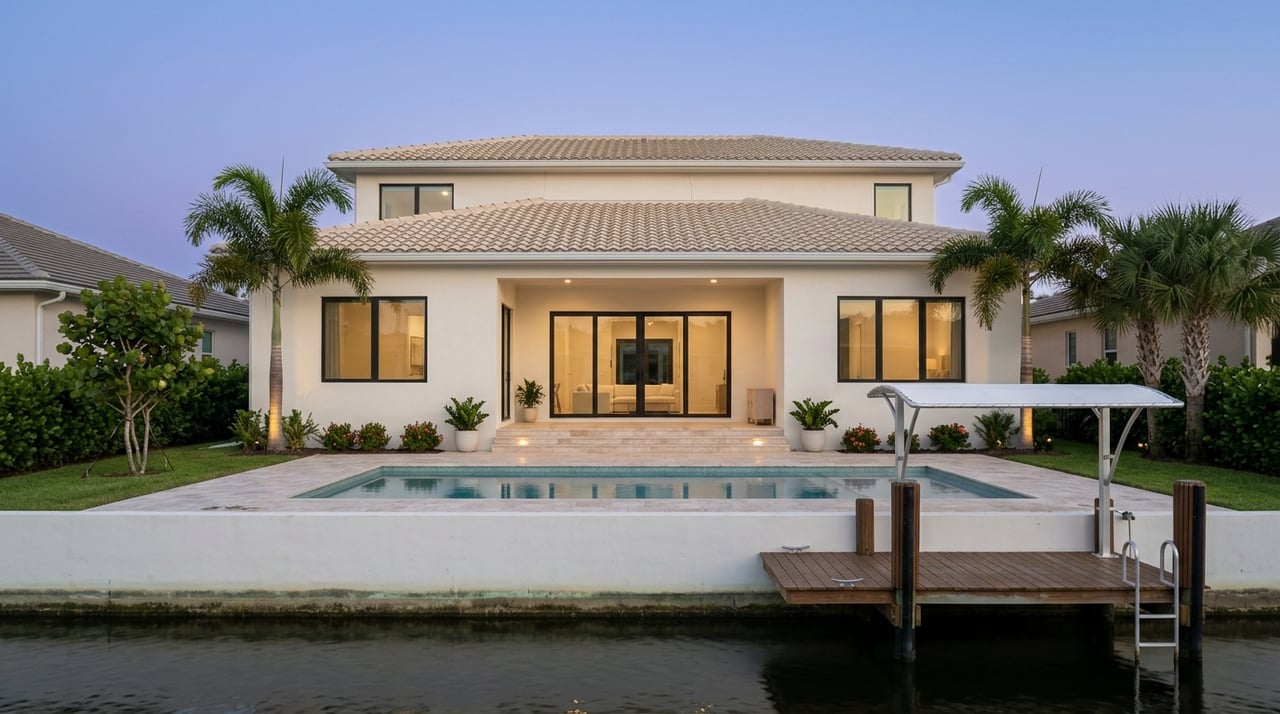
Barrier-island addresses on Bonita Beach, Little Hickory Island, and Barefoot Beach give the quickest run to the Gulf. Many homes are beachfront with no dock, while bayfront sites may offer limited private or community slips. Larger, deeper-water slips are less common than in bigger marina communities, so verify availability and vessel limits early.
Riverfront pockets near Olde Bonita and the Riverwalk are best for smaller boats, flats skiffs, and kayaks. The Imperial River has shallow sections and a working-waterway feel, with public amenities close by. Trailerable owners value the Imperial River Boat Ramp for quick launches into the bay system.
Select condo and small island developments offer private resident marinas with a finite number of slips. Rules and vessel limits are site-specific and often cap slip length around smaller craft sizes. As an example, the Bay Harbor Club shows how HOA documents spell out slip eligibility and dimensions. Always request the dock rule sheet and confirm transferability.
For resident convenience, the Bonita Bay Marina provides fueling, wet slips, dry storage, and on-site services. The marina also appears on Florida DEP’s designated marina listings, a useful indicator for pump-out access and environmental standards. You can search the South District page to see current program participants at the Florida DEP designated marinas.
If you run a larger vessel or need haul-out and yard work, Fort Myers Beach and Cape Coral marinas are practical regional hubs. Facilities like Salty Sam’s Marina offer fuel, pump-outs, transient slips, and service. Trailerable owners can launch at the Imperial River Boat Ramp for fast access to the Imperial River and Estero Bay.
Before you focus on a specific property or community, verify these items in writing:
Choosing a boating-focused neighborhood is about matching your vessel and routes to the property’s realities. You want the right balance of Gulf access time, protected mooring, slip availability, and long-term ownership ease. Our team brings local intelligence to that decision, from reading charts and HOA rules to coordinating dock inspections and planning value-add updates that improve function and resale.
When you are ready to tour, we will prioritize addresses that fit your draft, air-draft, and storage needs, then model the tradeoffs so you can buy with confidence. If a slip is not available now, we can map boat-club and transient options to keep you on the water while we track the right opportunity. To start a tailored plan for your boat and lifestyle, connect with Marco Home Group for a complimentary strategy call.
Stay up to date on the latest real estate trends.
We pride ourselves in providing personalized solutions that bring our clients closer to their dream properties and enhance their long-term wealth. Contact us today to learn how we can assist you.