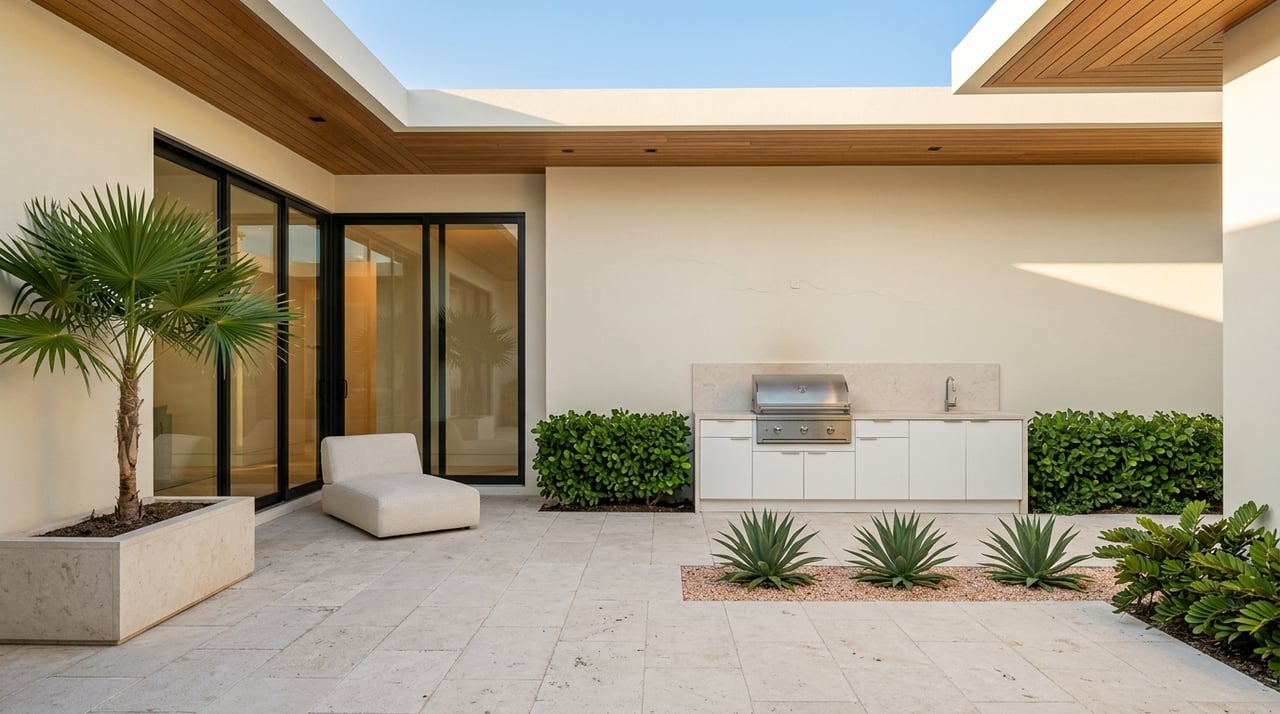
Custom Home Planning in The Estates on Marco Island
May 21, 2026
May 21, 2026
Wondering if you can buy a lot in The Estates and simply drop in your dream floor plan? On Marco Island, it rarely works that way. In this part of the island, the lot, flood rules, waterfront conditions, and permit path often shape the design long before finishes and fixtures enter the conversation. If you are planning a custom build in The Estates, this guide will help you think through the parcel, timeline, and city requirements before costly changes show up later. Let’s dive in.
In The Estates on Marco Island, custom building starts with the parcel, not the house plan. Local market guides describe this area as a southeast Marco Island enclave with luxury homes and buildable lots, including many larger water-direct or inland parcels compared with the island average. That gives you opportunity, but it also means each lot brings its own set of design limits and advantages.
Before you commit to a floor plan, you want to understand the site itself. Survey lines, easements, flood zone, elevation, waterway width, seawall condition, dock status, vegetation, and utility access can all affect what you can build and how efficiently you can build it. In a waterfront setting like The Estates, those details are not side notes. They are core planning items.
A strong early review can save time, redesign costs, and permit delays. On Marco Island, residential plan review for new construction requires site-specific documents and information, so it helps to investigate these items before design work gets too far.
You need a current survey to understand exact boundaries, easements, and the buildable area. This becomes especially important if you are planning a larger footprint, pool, outdoor living areas, or a waterfront dock layout. Small line-item issues on paper can become major design revisions later.
Floodplain planning is central on Marco Island. The city applies SFHA zones AE and VE, and its current FIRM has an effective date of 01/01/2024. The city GIS also shows a Design Flood Elevation layer of 9' NAVD, which is a useful planning reference when you begin thinking about finished-floor elevation and related site work.
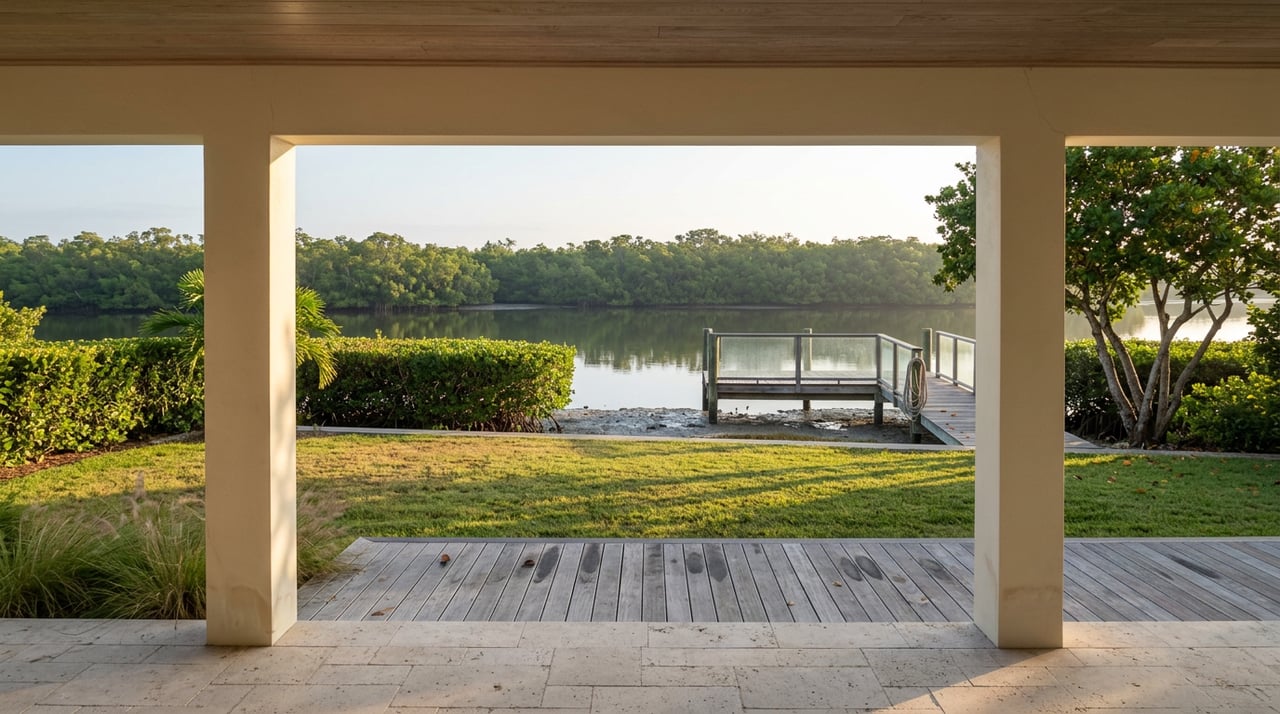
If your lot is on the water, the waterway itself matters. Marco Island requires marine-work documents showing how a dock, canopy, or seawall fits the waterway and side property lines. This means your architect, marine contractor, and builder should be coordinated early if boating access is part of your vision.
Existing seawall and dock conditions can affect both budget and timeline. The city requires a marine application, site plan, plat map showing waterway width, and proof of DEP and Army Corps permits where applicable for certain waterfront work. If marine improvements are needed, it is better to know that before the house plans are finalized.
Vegetation can also affect project timing. Marco Island states that it is unlawful to remove native or exotic vegetation without a permit unless exempt, while mangroves and dune vegetation are protected. The city also states that prohibited exotic vegetation should be removed before building permits are issued on RSF lots.
Custom homes in The Estates are shaped by current city rules, not older assumptions about what may have been allowed on nearby properties. Marco Island's code is codified through Ordinance No. 25-08, and the online code was updated on November 3, 2025. That is why every project should be tested against the current standards for the specific parcel.
The city handles permit submissions electronically through the Civic Access Permitting Portal. Residential and commercial permits are submitted online, and complete PDFs, signed and sealed plans, and required contractor registrations are part of the process. If your package is complete, the city says a building permit can usually be obtained in 10 to 15 workdays, while minor projects are normally approved or flagged for more information within 5 workdays.
That said, permit approval is only one phase of the full build schedule. A custom home still needs due diligence, design, engineering, procurement, site work, vertical construction, finish work, inspections, and final sign-off. For most buyers, the smarter expectation is not fast, but well-sequenced.
Marco Island's residential plan review asks for more than a simple set of plans. New-construction submittals can include:
For many luxury builds, this matters because design decisions such as large openings, impact-rated glass, and indoor-outdoor transitions must align with code and product approval requirements. In other words, the polished final look still has to work on paper.
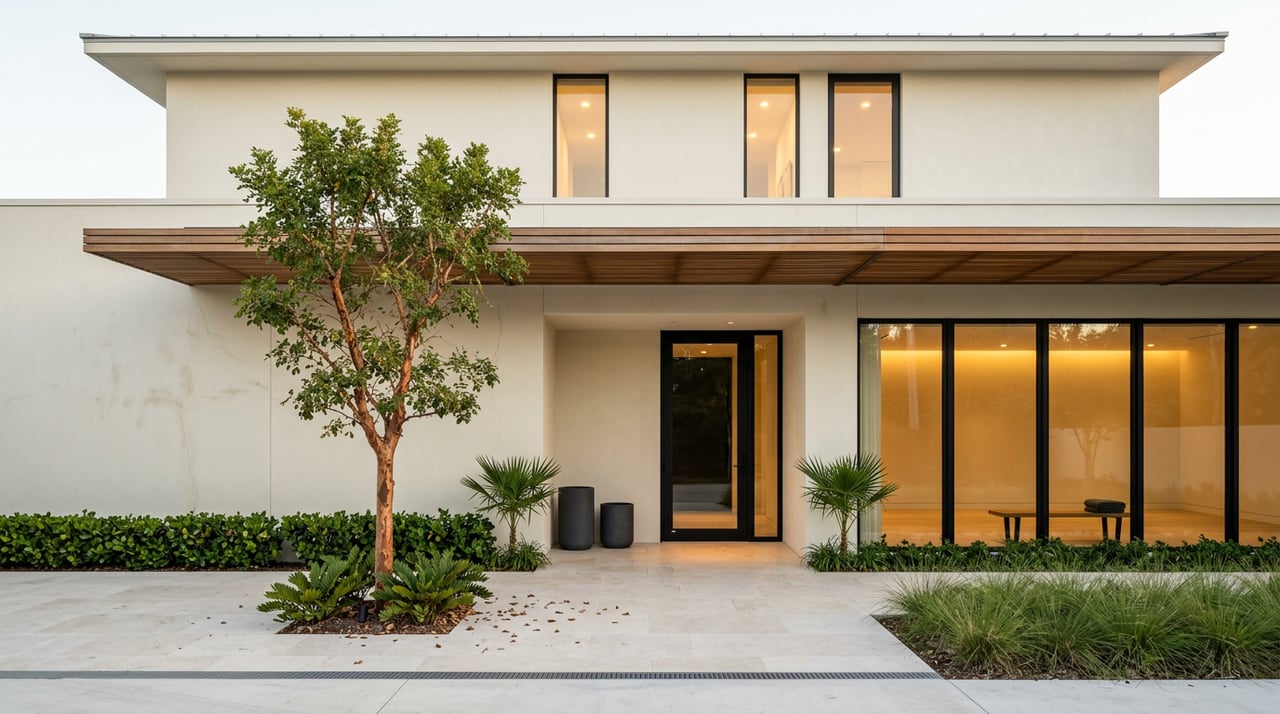
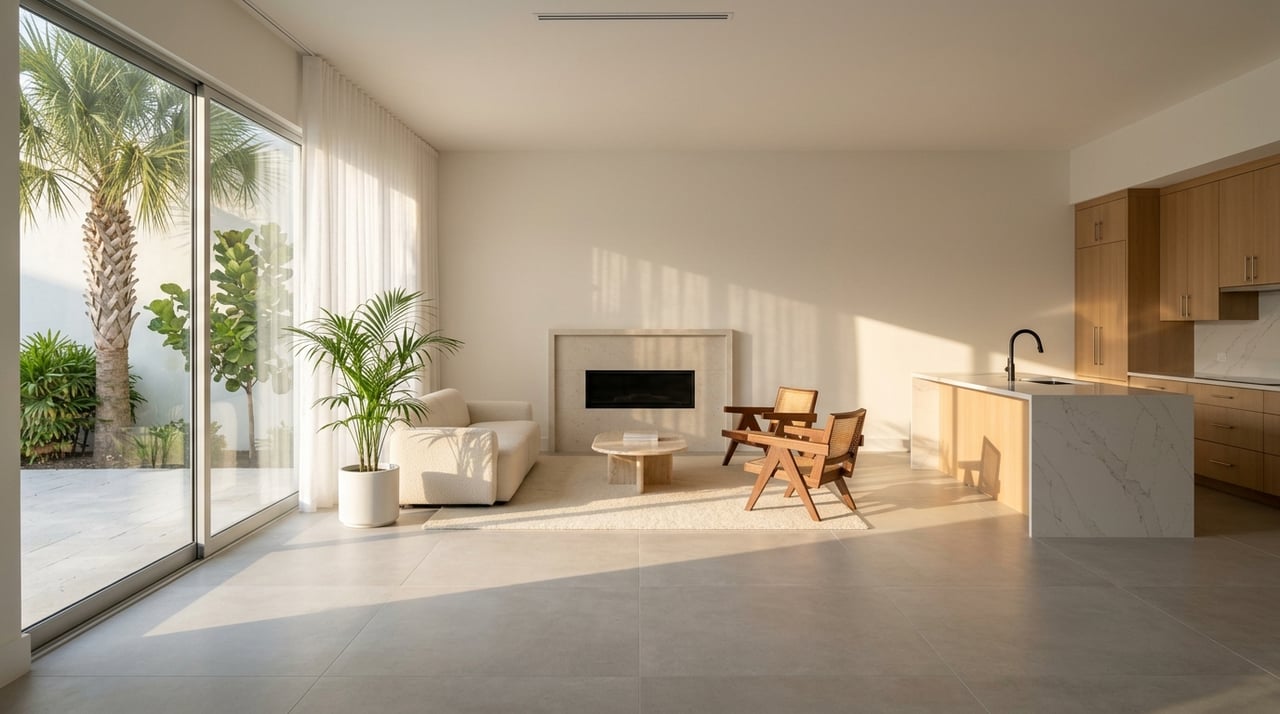
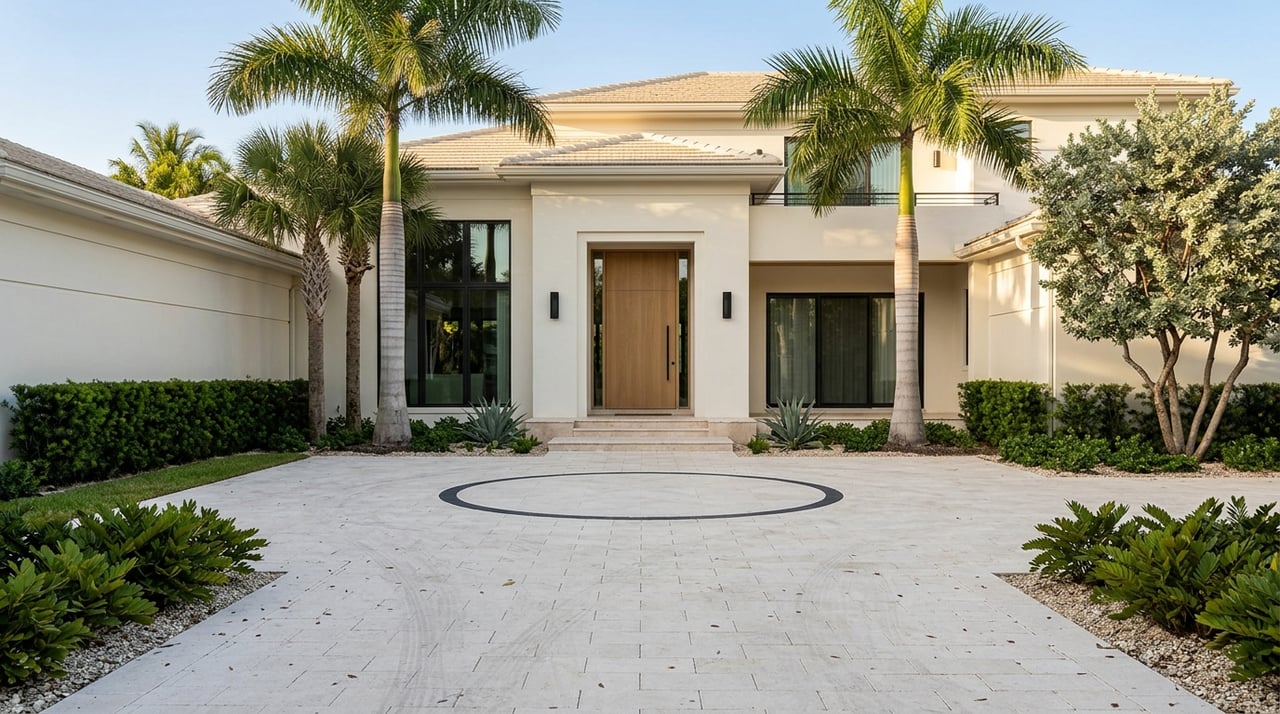
The Estates supports a range of luxury architectural approaches. Recent examples in the section show Mediterranean or Villa, Contemporary, and Coastal or Modern design languages. That gives you flexibility, but it does not remove the need for discipline.
The best architectural direction is often the one that fits the lot envelope, flood conditions, and your desired level of maintenance and resilience. A design that looks beautiful in concept still has to respond to setbacks, elevation strategy, waterfront orientation, and site circulation. On Marco Island, smart design is equal parts aesthetics and fit.
City ordinance materials show RSF minimum lot areas of 20,000, 10,000, and 7,500 square feet, with a 1,500-square-foot minimum living area in the RSF tables. On waterfront lots, the city also includes a 10-foot minimum setback from the seawall. These standards should be tested early so your schematic plan reflects the actual buildable envelope.
Views in The Estates are parcel-specific, not automatic. Current waterfront examples advertise Bay, Long Water, and Wide views, with varying rear exposures. That means orientation, neighboring setbacks, and the placement of living areas, lanais, and upper-level spaces all matter if you want to protect a meaningful view corridor.
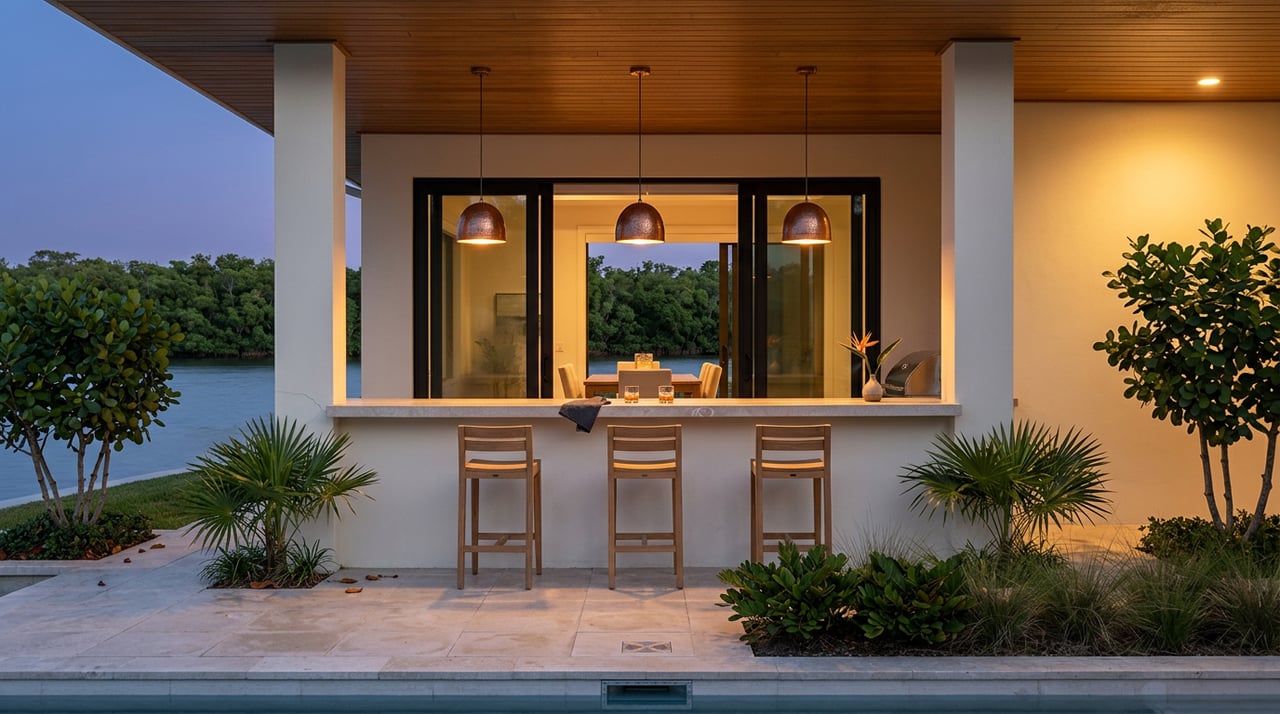
Many buyers in this section prioritize features that support waterfront living and storm readiness. Current examples in The Estates often include impact-rated windows and doors, shutters, generators, outdoor kitchens, and elevated indoor-outdoor transitions. Those choices can support both everyday comfort and long-term durability, and the city's review process requires product approvals and job-specific design pressures for openings.
If your lot includes dockage or direct boating access, plan for a more layered process. Marco Island requires marine permits and site details for docks, boat canopies, and seawalls. This is one of the clearest reasons to coordinate the architect, builder, and marine professionals before the project gets too far into design development.
There is also a practical construction rule many buyers do not expect. Marco Island states that property owners are not allowed to use their boat lift during construction of their new home because of a life-safety hazard. If boating access is central to how you use the property, that temporary limitation should be part of your planning.
A custom build in The Estates is usually best approached as a year-plus project once you include acquisition due diligence, design, permitting, site preparation, and construction. The city notes that a complete permit can often be obtained in 10 to 15 workdays, but that is only the front end of the overall timeline. It is not a promise of a quick build.
The city also notes that permits can be deemed abandoned after 180 days if they are not pursued in good faith. Once issued, work must begin and be inspected within 180 days or the permit can expire. This is one more reason why the project team and documentation need to stay organized from the start.
For major renovation projects, many of the same timing issues still apply. If your scope involves structural changes, flood elevations, dock work, or vegetation removal, the permit and inspection path can become just as important as the construction work itself. Marco Island also requires all required inspections to be completed and fees paid before a new dwelling receives a Certificate of Occupancy.
Florida lien-law paperwork is an early step that should not be overlooked. Collier County states that a Notice of Commencement is required for construction improvements over $5,000 on one- to four-family dwellings. Marco Island's building department also expects a Notice of Commencement to be filed before beginning a new construction or remodeling project.
This is not the glamorous part of building, but it is part of a clean process. When you are investing at a high level, the paperwork deserves the same attention as the architecture.
The Estates can reward thoughtful buyers with larger parcels, waterfront potential, and room for design expression. But the neighborhood also rewards preparation. The most successful projects usually begin with careful parcel selection, early coordination with an architect and builder, and a clear understanding of Marco Island's flood, dock, vegetation, and permit rules before design changes become expensive.
If you are evaluating a lot, a teardown, or a major renovation opportunity in The Estates, it helps to have a team that can look at both lifestyle fit and project logic. That includes how the parcel may live day to day, how the design may perform in the market, and where the process could create avoidable friction.
Whether you are building for personal use, long-term enjoyment, or value creation, clear early decisions can protect both your timeline and your investment. If you want local guidance on parcels, waterfront considerations, or renovation and build strategy on Marco Island, Marco Home Group can help you think through the opportunity with a design-minded, market-aware perspective.
Stay up to date on the latest real estate trends.
We pride ourselves in providing personalized solutions that bring our clients closer to their dream properties and enhance their long-term wealth. Contact us today to learn how we can assist you.