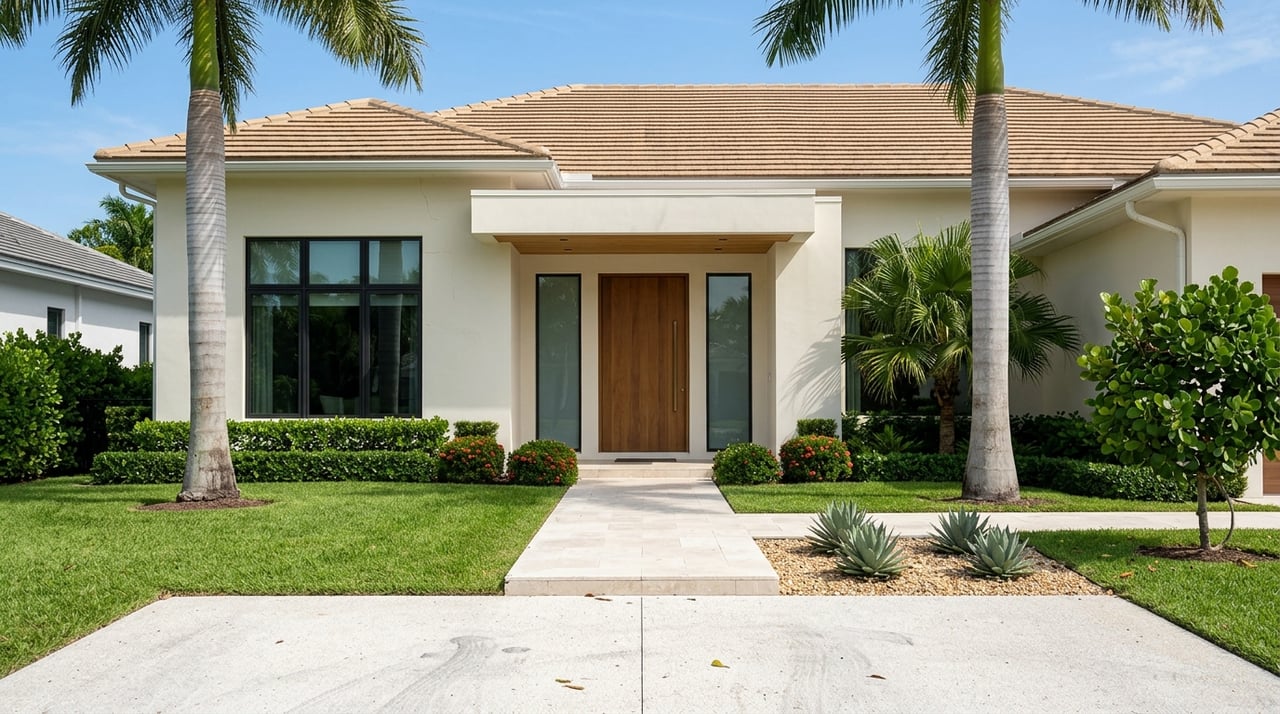
Selling A Marco Island Waterfront Home With Confidence
June 11, 2026
June 11, 2026
If your Marco Island waterfront home is special, it still has to compete. In today’s market, buyers have options, and even standout properties can sit longer when pricing, presentation, or paperwork are not dialed in. The good news is that with the right strategy, you can sell with more clarity and less stress. Let’s dive in.
Marco Island remains a high-price coastal market, but it is not moving at a breakneck pace. Public market trackers in spring 2026 show median or average pricing in a broad range, with reported figures from roughly $855,636 to $1,134,414 depending on the source and methodology. Days on market are also elevated, with many reports landing around 93 to 104 days, and the local association reporting an average of 114 days on market in April 2026.
That matters because sellers cannot rely on low supply alone to drive strong offers. Realtor.com classifies Marco Island as a balanced market and reports homes selling for about 94% of asking in March 2026. In a market like this, confidence comes from preparation, disciplined pricing, and a polished launch.
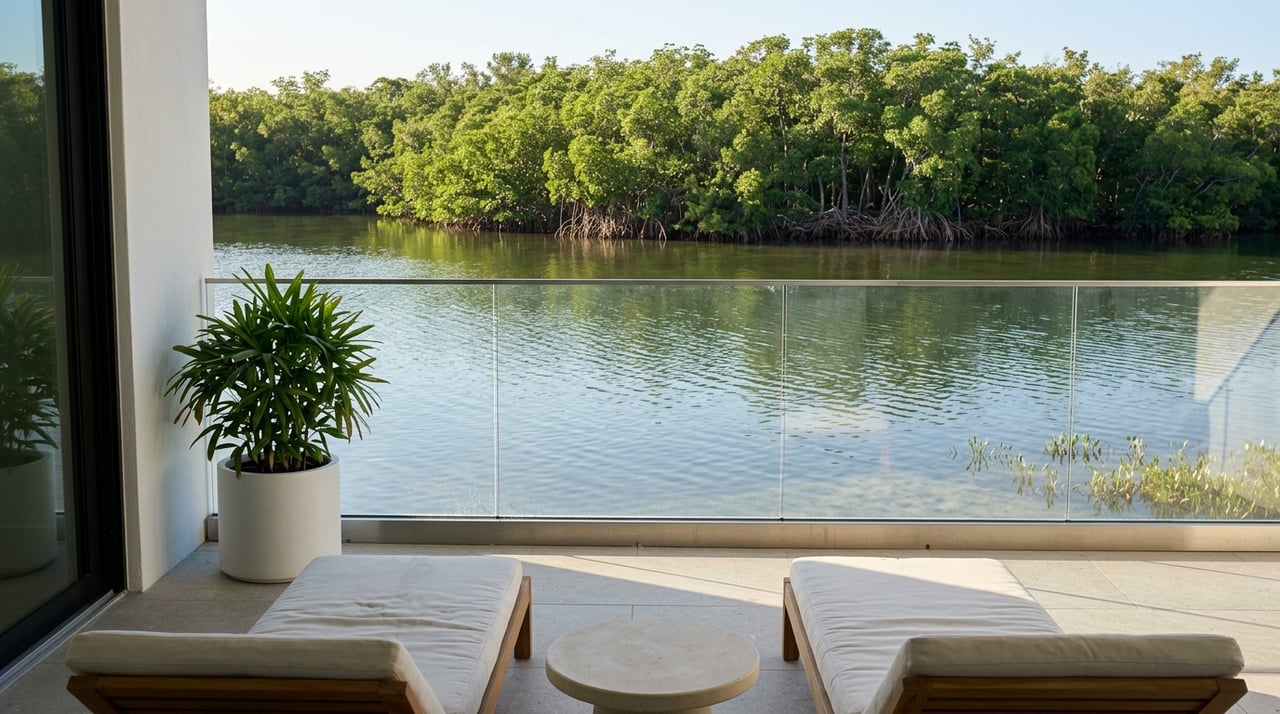
Not all waterfront is the same on Marco Island. The city’s Waterways Committee notes that property values are influenced by proximity to the water, and the canal system provides Gulf access. That means buyers are looking beyond a pretty view.
For many waterfront shoppers, practical boating details affect value just as much as finishes inside the home. Some routes require passing under one, two, or even three bridges before reaching the Marco River or the Gulf. As a seller, you want to present the full waterfront story clearly.
Your home’s position on the water can shape buyer interest. Direct-waterfront, indirect-waterfront, and inland properties do not compete on equal footing, even when they share similar square footage or design. A strong pricing and marketing strategy should reflect the actual waterfront category.
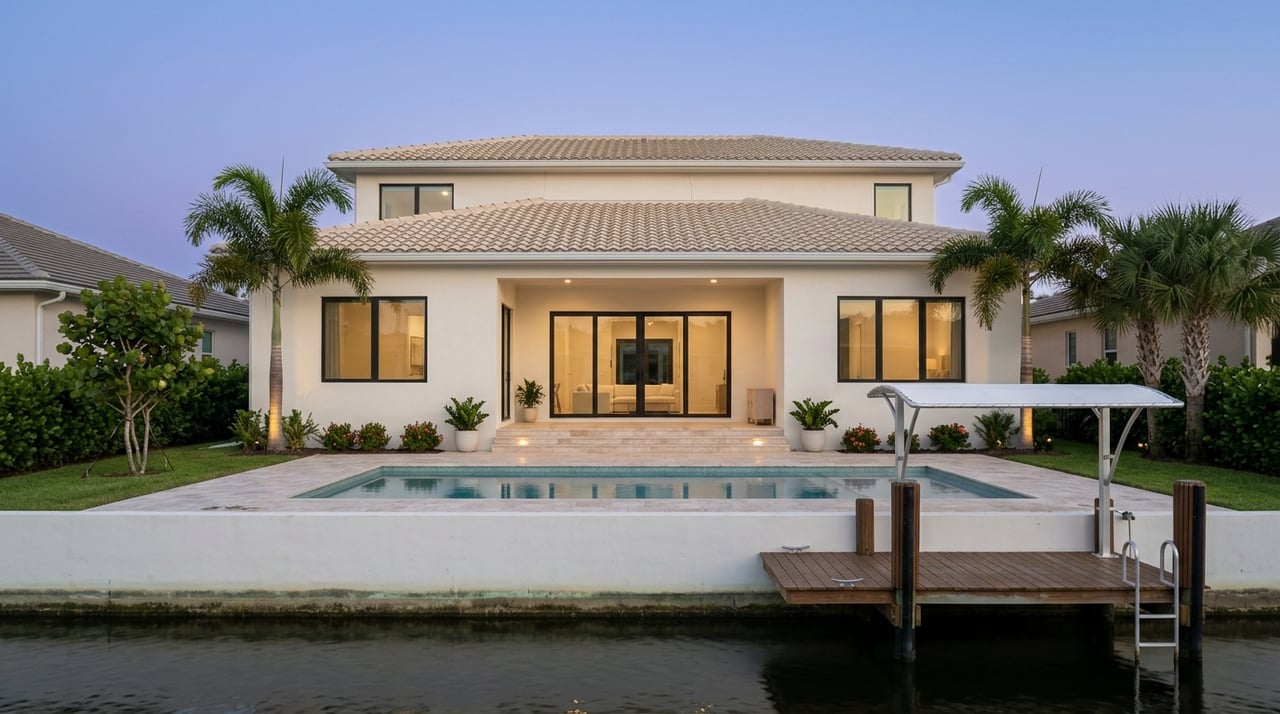
If your property includes a dock, lift, or seawall, those features should be presented as usable assets, not vague extras. Buyers want to understand dock setup, lift functionality, and how practical the boating route is from the property. Bridge clearance and route convenience can influence how a buyer sees value.
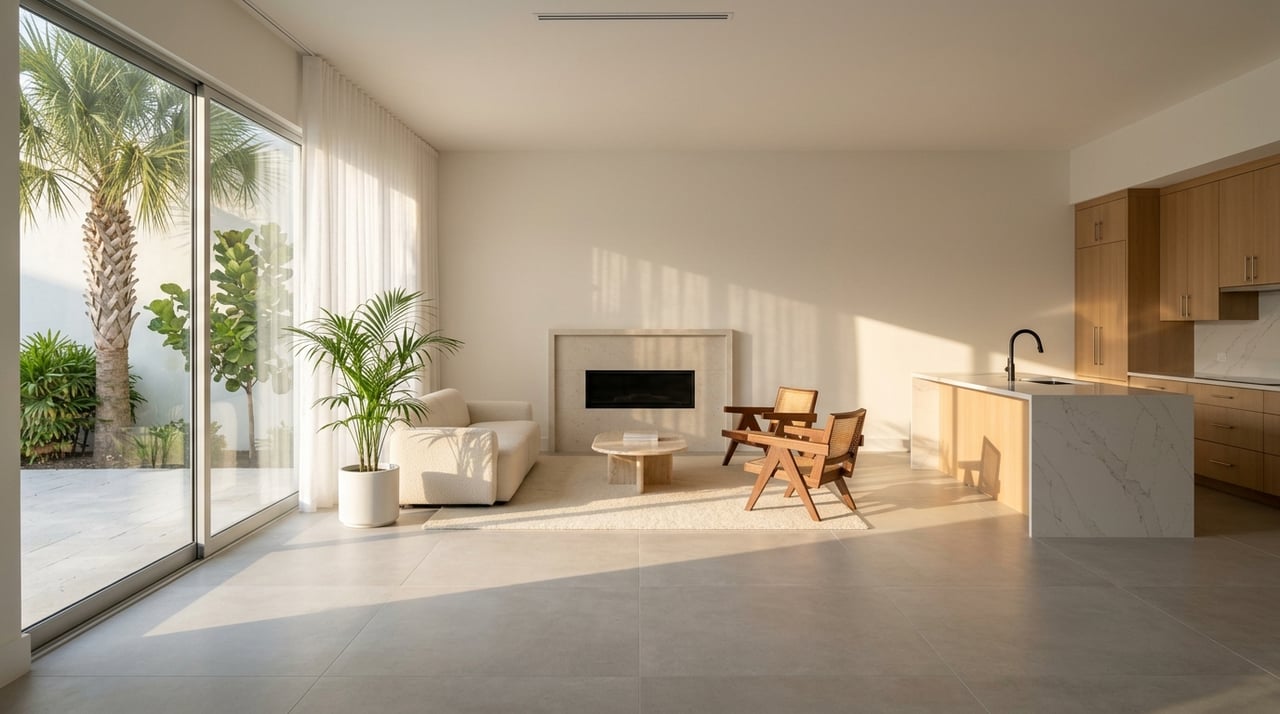
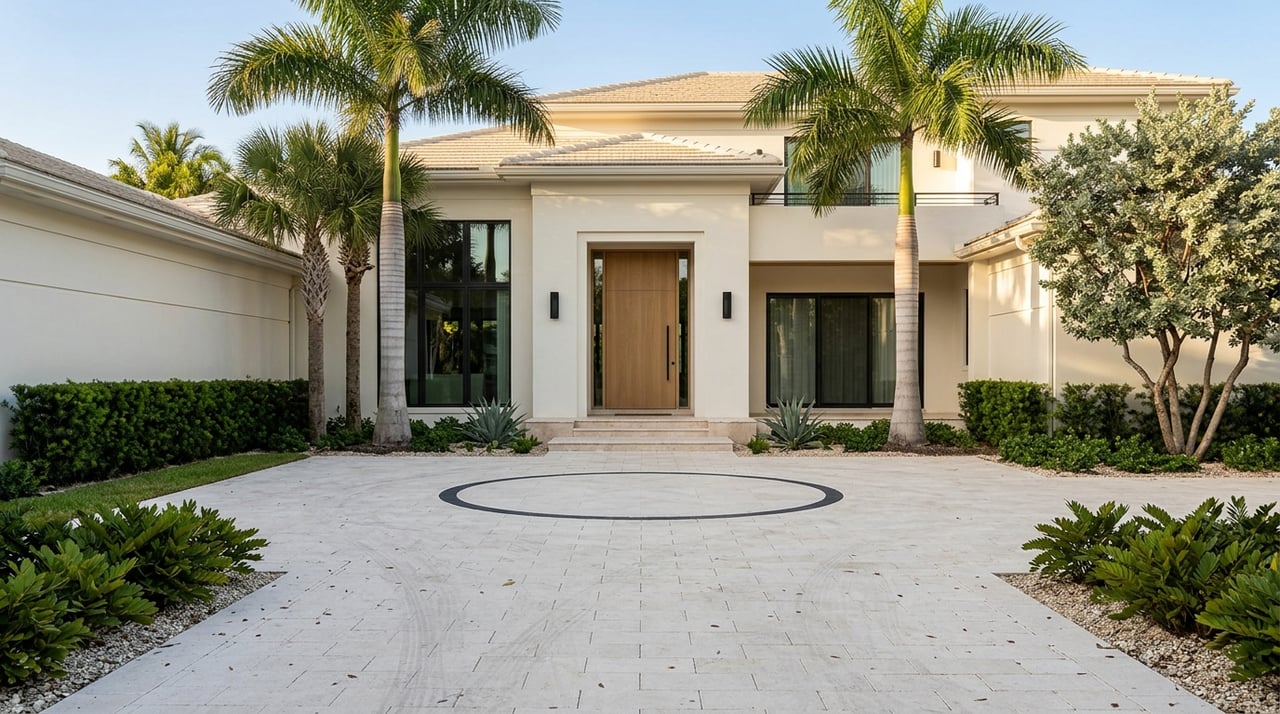
When buyers first meet your home online, presentation does a lot of the heavy lifting. The most effective pre-listing work is often straightforward: decluttering, deep cleaning, depersonalizing, paint touch-ups, landscaping, and minor repairs. These are among the most commonly recommended improvements in the 2025 staging guidance from NAR.
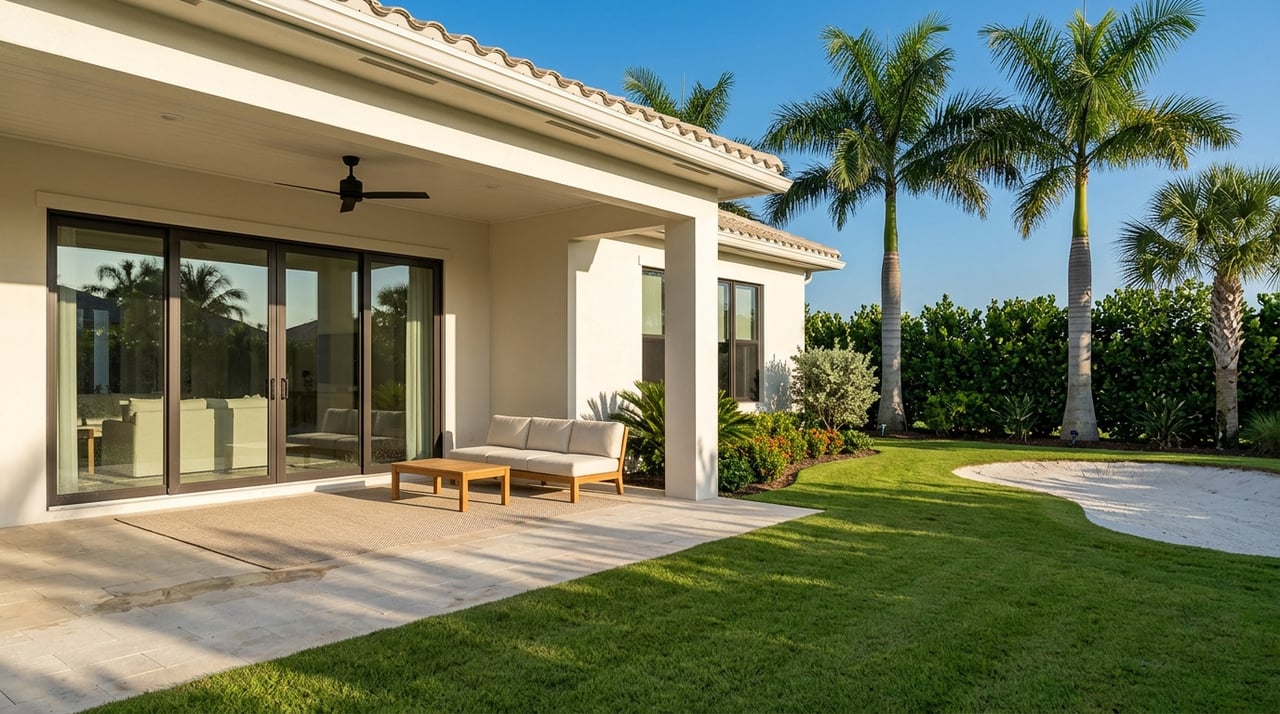
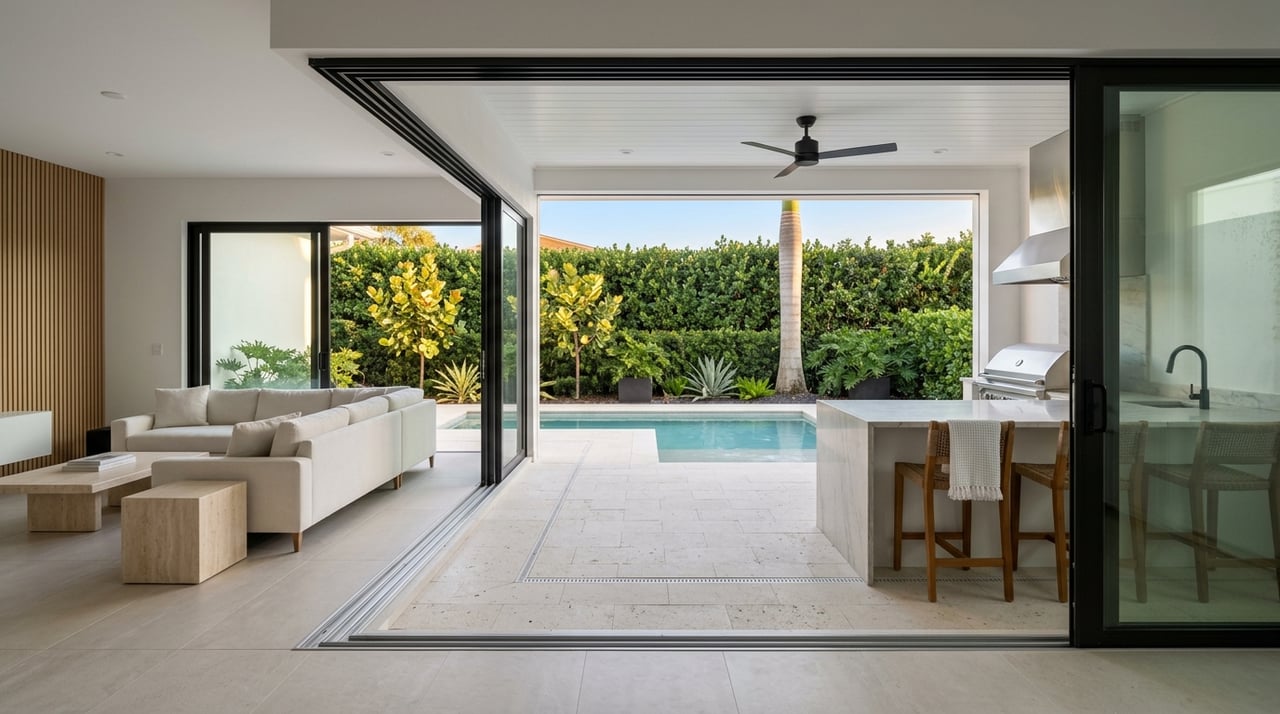
For a waterfront property, outdoor living areas deserve the same attention as the kitchen or great room. Buyers are often imagining mornings by the water, evenings on the lanai, and time around the pool or dock. If those spaces feel unfinished or overlooked, the whole property can feel less compelling.
NAR also reports that outdoor spaces are one of the key areas to stage, and 83% of buyers’ agents say staging helps buyers visualize a property as their future home. The median cost of a staging service in that report was about $1,500, which can be a practical investment when the goal is stronger first impressions.
One of the easiest ways to lose momentum is to wait too long on documents. For Marco Island waterfront homes, buyers may ask early questions about docks, lifts, seawalls, flood records, and permit history. Having those answers ready helps create trust and can keep a transaction moving.
Collier County requires sealed site plans for marine permits that show details such as canal width and dock protrusion. Marco Island also requires a Florida P.E.-sealed design for seawall materials, along with separate permits for items such as a dock, lift, electric, and plumbing, plus final inspection documentation.
The city also notes that all structures are subject to floodplain review. Work in a special flood hazard area can trigger FEMA’s 50% substantial-improvement or substantial-damage rule, and the city advises checking current map data when a flood policy transfers. If there are open questions around flood compliance or permit status, it is better to address them upfront than let them surface during escrow.
Pricing a Marco Island waterfront home takes more than pulling a few nearby sales. Because waterfront value is closely tied to the water itself, your best comparable sales should come from the same waterfront category and a similar condition level. A direct-access property with updated marine features should not be priced the same way as a home with more limited access or unresolved dock questions.
This is especially important in a market where buyers have time to compare options. With a reported sale-to-list ratio near 94% and roughly three months or more to pending or sale in many cases, an over-ambitious asking price can lead to added days on market. That can weaken your negotiating position over time.
If your property has dated seawall or dock systems, unresolved permits, or flood compliance questions, those risks should be reflected in pricing. Buyers in this segment are often detail-oriented, and many will underwrite those items carefully.
Most buyers will judge your property online before they ever set foot inside. NAR’s 2025 staging report says buyers’ agents view photos, traditional staging, video tours, and virtual tours as the most important listing elements. The same report found that staged homes make one-third of buyers more willing to walk through after seeing them online.
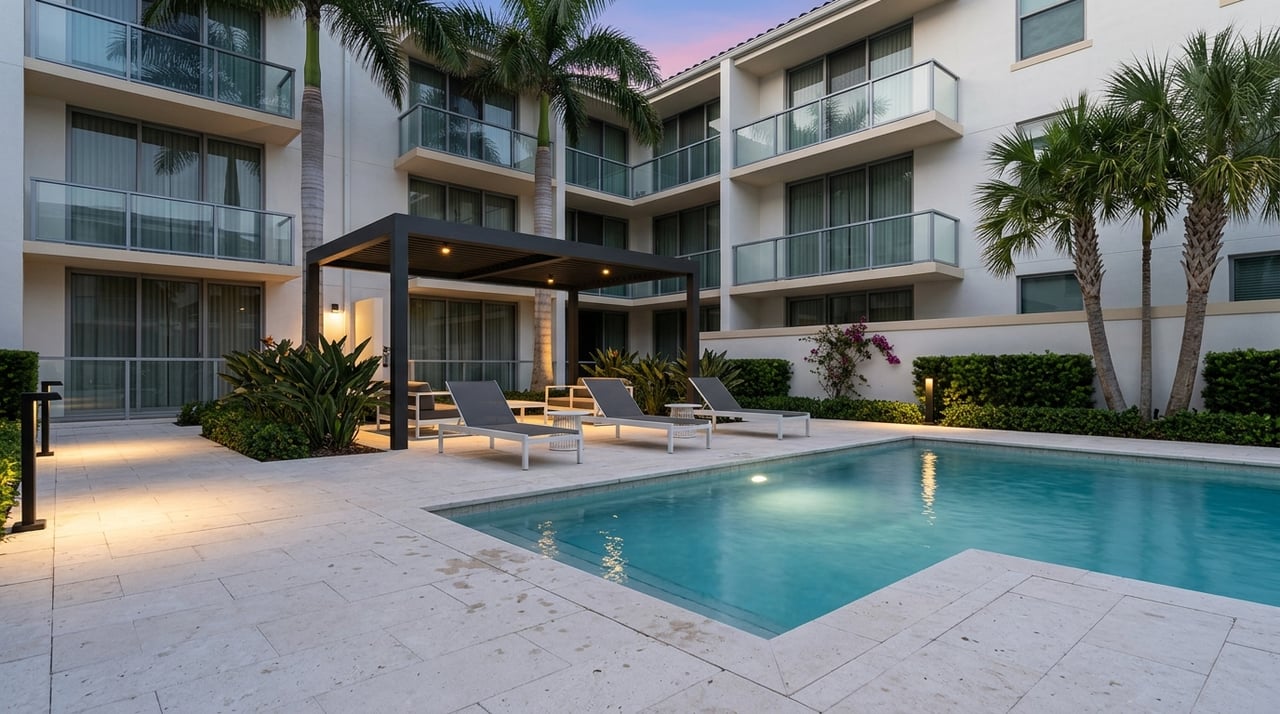
For a Marco Island waterfront home, that means your media package should go beyond interior room photos. The exterior, water view, dock, pool, lanai, and overall outdoor setting should carry real weight in the listing presentation. Buyers want to understand how the home lives, not just how it looks.
There is also a practical reason to get this right. NAR reports that 58% of agents said buyers were disappointed when homes did not live up to TV-style expectations. Strong marketing should elevate your home, but it also needs to stay honest so in-person showings confirm the promise.
A waterfront home on Marco Island should not be marketed like a generic suburban listing. The right agent should be able to explain recent local comps, discuss waterfront differences clearly, and help organize the materials buyers care about most. That includes not just pricing and photos, but also permit records, floodplain context, and marine feature documentation.
NAR’s 2025 profile found that 91% of sellers used an agent, and sellers most valued help marketing the home, pricing it competitively, and meeting timing goals. For many owners, confidence comes from working with a team that can do more than put a home in the MLS.
For sellers who want a more turnkey process, integrated support can make a real difference. That may include staging guidance, furnishing decisions, renovation oversight, and curated marketing that presents the property at its best from day one.
Selling a waterfront home on Marco Island is about more than listing at a high number and waiting. In a balanced market with longer selling timelines, the homes that stand out tend to be the ones that are well prepared, accurately priced, and clearly positioned. Buyers notice the details, especially when the waterfront story is part of the value.
If you want to move forward with confidence, start by tightening the parts of the process you can control. Clean presentation, organized records, thoughtful pricing, and strong visual marketing can help your property compete more effectively. When those pieces come together, your next step becomes much easier.
If you are preparing to sell and want a strategy built around pricing, presentation, and waterfront nuance, Marco Home Group can help you plan your next move with clarity.
Stay up to date on the latest real estate trends.
We pride ourselves in providing personalized solutions that bring our clients closer to their dream properties and enhance their long-term wealth. Contact us today to learn how we can assist you.